Your Quest for Ägyptische Pyramidenstadt Crossword Answers Begins Here
Are you a seasoned crossword enthusiast, or perhaps a curious beginner, grappling with the intriguing clue "Ägyptische Pyramidenstadt"? This particular query often sends solvers on a fascinating journey through ancient history, demanding not just linguistic prowess but also a solid grasp of Egyptology. While the clue might seem straightforward, the wealth of history behind the potential answers is immense. This comprehensive guide will not only help you crack the code for your crossword puzzle but also transport you to the heart of ancient Egypt, exploring the very cities that served as epicenters for pyramid construction and royal power. Understanding the historical context behind these answers will not only improve your puzzling skills but also deepen your appreciation for one of humanity's most enduring civilizations.
The term "Ägyptische Pyramidenstadt" directly translates to "Egyptian Pyramid City," pointing towards ancient settlements intrinsically linked to the monumental pyramid complexes. These weren't just random towns; they were often bustling metropolises, administrative centers, or even specially constructed communities designed to support the massive undertakings of pharaonic pyramid building. Knowing the common answers, their historical significance, and the nuances of crossword puzzle logic is key. For a comprehensive list of solutions, you might want to check out our dedicated resource: Ägyptische Pyramidenstadt: Crossword Puzzle Solutions.
Decoding the "Ägyptische Pyramidenstadt" Crossword Clue: Common Answers
When faced with "Ägyptische Pyramidenstadt" in a crossword, the length of the required answer is your first critical hint. While several ancient Egyptian sites could technically be described as "pyramid cities," a few stand out as perennial favorites in the world of crosswords due to their historical prominence and often convenient letter counts.
Memphis: The Quintessential Pyramid City (Often 5 or 6 Letters)
Without a doubt, Memphis (sometimes spelled "MEMFIS" in crosswords to fit letter counts or reflect transliteration variations) is the most frequent and celebrated answer for "Ägyptische Pyramidenstadt," especially for a 5-letter slot. Why Memphis?
- Ancient Capital: Memphis was one of the most important and enduring cities of ancient Egypt, serving as its capital for much of the Old Kingdom (c. 2686–2181 BC), the very era that saw the construction of the grandest pyramids.
- Strategic Location: Situated at the apex of the Nile Delta, Memphis was a pivotal administrative, religious, and economic hub. Its strategic location made it ideal for controlling both Upper and Lower Egypt.
- Proximity to Necropolises: Crucially, Memphis was the royal city and administrative center directly associated with the vast necropolises of Saqqara, Abusir, and Dahshur. These sites, just a short distance from the city, house numerous pyramids, including the Step Pyramid of Djoser, the Bent Pyramid, and the Red Pyramid. While the pyramids themselves weren't *in* Memphis, the city was the seat of power and the organizational brain behind their construction and ongoing maintenance. The pharaohs who built these pyramids resided in Memphis, and their administration was based there.
- Archaeological Significance: Today, the ruins of Memphis, a UNESCO World Heritage Site, still offer glimpses into its past glory, with colossal statues of Ramses II and the Alabaster Sphinx.
Other Significant Pyramid Settlements for Crossword Enthusiasts
While Memphis reigns supreme, depending on the letter count, other locations might occasionally fit the bill:
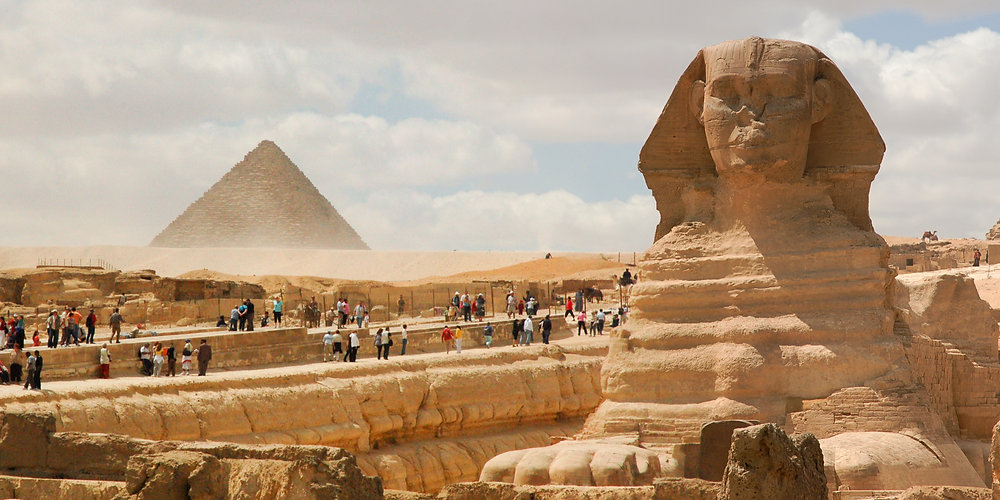
- Giza (4 Letters): Though not a city in the same sense as Memphis during the Old Kingdom, Giza is undoubtedly the most famous "pyramid site" in Egypt, home to the Great Pyramids and the Sphinx. Crosswords might refer to the broader area or the workers' settlements that supported the construction here.
- Saqqara (7 Letters): As the necropolis for Memphis and the site of the world's first stone structure, the Step Pyramid of Djoser, Saqqara is another strong candidate. While primarily a burial ground, the sheer scale of activity meant it functioned like a bustling hub, with temples, workshops, and administrative buildings.
- Kahun (5 Letters): This lesser-known but incredibly significant site was a purpose-built town for the workers constructing the pyramid of Pharaoh Senusret II at El-Lahun during the Middle Kingdom. Kahun offers an unparalleled glimpse into the daily life of ancient Egyptian commoners and pyramid builders, making it a true "pyramid city" in a very direct sense.
When faced with such a clue, considering the letter count in conjunction with these historical giants is your best bet for a swift solution.
Beyond the Clue: The Enduring Legacy of Ägyptische Pyramidenstadt
These ancient pyramid cities were far more than just locations on a map; they were vibrant centers of culture, religion, and innovation. They represent the pinnacle of ancient Egyptian civilization, showcasing their organizational skills, architectural brilliance, and profound spiritual beliefs. Exploring these answers goes beyond just solving a puzzle; it opens a window into a world thousands of years old.
Life in the Shadow of Giants: A Glimpse into Ancient Urbanism
Imagine living in Memphis during the Old Kingdom. The city would have been a hive of activity, with temples dedicated to Ptah (the city's patron deity), bustling markets, palaces for the pharaoh and his court, and administrative buildings coordinating the vast resources of the kingdom. The nearby necropolises were not just tombs but immense temple complexes requiring constant upkeep and a dedicated workforce of priests, scribes, and artisans. The construction of pyramids involved a vast network of quarries, transport routes, and supply chains, all managed from cities like Memphis.
Similarly, at sites like Giza and Kahun, archaeological excavations have revealed the remains of workers' villages. These were not primitive camps but well-organized settlements with bakeries, craft workshops, living quarters, and even basic medical facilities, demonstrating an advanced level of urban planning and social organization. These communities housed tens of thousands of skilled laborers, craftsmen, overseers, and support staff, all dedicated to the sacred task of building monuments to eternity.
Architectural and Engineering Marvels
The pyramids themselves stand as testaments to ancient Egyptian ingenuity, but the cities that supported their construction were equally impressive in their own right. From massive mud-brick walls protecting cities to intricate irrigation systems feeding their populations, these urban centers were models of ancient engineering. The coordination required to transport millions of tons of stone, manage a vast workforce, and sustain an entire economy centered around monumental building projects is simply astonishing.
Practical Tips for Conquering Ancient Egyptian Crossword Clues
Solving clues like "Ägyptische Pyramidenstadt" requires a blend of general knowledge and specific crossword strategies. Here are some tips:
- Check the Letter Count First: This is your most crucial hint. "Memphis" fits 6 letters easily, "MEMFIS" for 5. "Giza" for 4, "Saqqara" for 7, "Kahun" for 5.
- Consider Transliteration Variations: Ancient Egyptian names often have multiple accepted spellings in English or German (as in "Ägyptische"). Be flexible with vowels (e.g., Memfis vs. Memphis).
- Think Broadly About "City": In a crossword context, "city" might refer to a significant settlement, a royal capital, a major necropolis area, or even a purpose-built workers' town.
- Cross-Reference: Use intersecting words to confirm your answer. If a word like "Nile" or "Pharaoh" fits nearby, you're likely on the right track.
- Expand Your Knowledge: The more you know about ancient Egypt, the easier these clues become. Read up on famous pharaohs, major cities, and archaeological sites. For those looking to dive deeper beyond just the crossword solution, our article Searching Ägyptische Pyramidenstadt: Beyond Crossword Clues offers a great starting point.
The Enduring Fascination with Egypt's Pyramid Cities
The allure of the "Ägyptische Pyramidenstadt" continues to captivate archaeologists, historians, and casual enthusiasts alike. These ancient urban centers provide invaluable insights into how a sophisticated civilization organized itself, managed colossal projects, and sustained its people through millennia. They highlight the intricate relationship between the living and the dead, the sacred and the mundane, and the enduring human desire to leave an indelible mark on history.
From the bustling streets of Memphis to the meticulously planned living quarters of Kahun, these cities were the beating heart of ancient Egypt's pyramid-building endeavors. They remind us that behind every monumental achievement lies a complex society, a dedicated workforce, and a visionary leadership. Understanding their role is crucial to comprehending the full scale of ancient Egyptian accomplishments.
Conclusion
Solving the "Ägyptische Pyramidenstadt" crossword clue is more than just finding the right word; it's an opportunity to connect with the incredible legacy of ancient Egypt. Whether your answer is Memphis, Giza, Saqqara, or Kahun, each name unlocks a treasure trove of historical, architectural, and cultural knowledge. We hope this guide has not only provided you with the answers you need for your puzzle but also sparked a deeper interest in the magnificent civilization that built these incredible cities and their eternal monuments. Keep exploring, keep learning, and may your crosswords always be filled with rewarding discoveries!